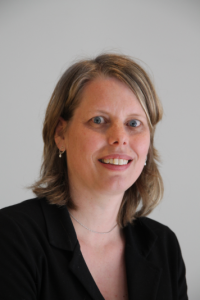
 The 20th Annual IAMSE Meeting is just around the corner, and we would like you to get to know some of our keynote speakers! We have four plenary speakers this year, and we hope you enjoy their presentations.
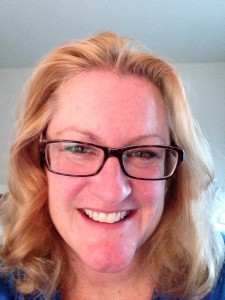
Marlies Reinders: Innovations in Clinical Kidney Transplant Education by a Massive Open Online Course [Leiden University Medical Center]
Marlies Reinders (MD, PhD) is a Nephrologist at the Leiden University Medical Center. She has long experience in renal transplantation, including research at the Transplant Immunology Laboratory, Children’s Hospital, Harvard Medical School, Boston. She published extensively in the field of transplantation and is principal investigator on clinical trials of stem cells in kidney disease. She has a major track in education. She is involved in the organization of the new curriculum of the Faculty of Medicine of the University of Leiden and in the integration of novel forms of education in medicine for (under)graduate students and professionals. She is project leader of the Massive Open Online Course (MOOC) Clinical Kidney Transplantation which started January 2016. The course is mentioned among the world’s few clinical MOOCs and is endorsed by various scientific organizations including the Dutch Transplant Society (NTV), the European Society of Transplantation (ESOT) and the International Transplantation Society. In addition, Marlies Reinders is chair of the International Leiden Oxford Summer School of Transplantation and member of the Education Committee of the ESOT. Since this year, Marlies Reinders is president of the Dutch Transplant Society and board member of Eurotransplant
MOOC links:
Trailer: https://www.youtube.com/watch?v=vHTTTwaR7R0&feature=youtu.be
Course: https://www.coursera.org/learn/clinical-kidney-transplantation
Have you registered for the 20th Annual IAMSE Meeting? Registration is still available online at www.iamseconference.org. We hope to see you there!


 of creating an effective TBL module. This session uses the TBL format to explore readiness assurance and group application exercise questions more thoroughly, including time for participants to work on creating their own applications with peer and faculty feedback. By the conclusion of the afternoon, participants will be able to create an action plan on how they might convert a learning session into a TBL module and to construct a group application that enhances team cohesiveness.
 During the upcoming IAMSE meeting in Leiden, there will be a number of terrific pre-conference sessions for your consideration. We are very excited to offer this workshop on the topic of Active Learning in the classroom.
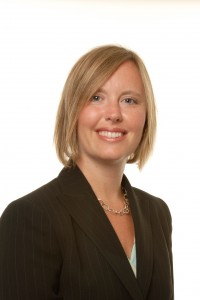 medical schools have plans in place to meet programmatic goals and outcomes. In order to remain compliant, programs must utilize quality improvement principles, such as those used in the broader healthcare context, to evaluate and develop programming. Of
 particular interest to this talk, CQI must be applied to faculty professional development (LCME Element 4.5) and in giving feedback to faculty (Element 4.4).
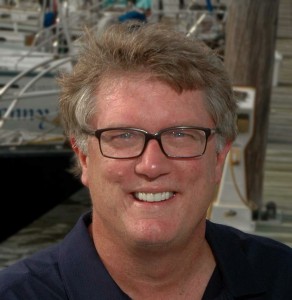 utilized to make decisions and changes in the faculty development programs while developing an understanding of the principles that drive CQI.