Wrapping up our plenary speaker highlights for the 22nd Annual IAMSE Meeting is Dr. Aviad Haramati. Keenly eyeing the meeting’s focus of integrating nutrition and wellness education in teaching the health sciences, Dr. Haramati’s presentation titled “Fostering Well-being in the Learning Environment: the Imperative for Medical Science Educators” will discuss issues surrounding physician stress and burnout.
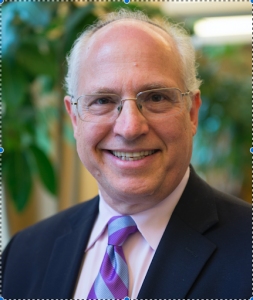 Aviad Haramati: Fostering Well-being in the Learning Environment: the Imperative for Medical Science Educators
[Georgetown University Medical Center, Washington, DC]
More than half of practicing physicians exhibit characteristics of chronic stress and burnout. This trend may begin earlier with the observed decline in empathy during medical student training and the alarming rates of burnout in medical and other students in the health professions. Research findings suggest that there is an important link between the culture and state of the learning environment and the health of learners and teachers. In this presentation, Dr. Haramati will review the elements that impact on the well-being and resilience of students and faculty in the health professions and highlight interventions that are being implemented to help learners manage stress, foster empathy and build resilience, with a particular emphasis on the critical role that medical science educators can play.
For more information on Dr. Haramati, please click here.
Be sure to register for the 2018 IAMSE Meeting! The Meeting will be held at the Green Valley Ranch and Resort, just outside of Las Vegas, Nevada on June 9-12, 2018. Registration may be found online here.
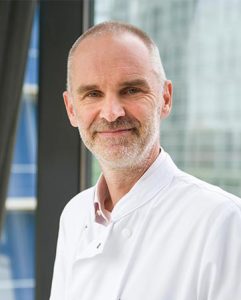 Hanno Pijl: Lifestyle Medicine: Why Do We Need It?
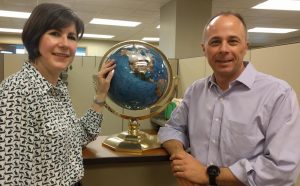 Each of us has the opportunity to be a leader in medical education, whether it is establishing a vision for a course, an office or modeling behaviors that others may emulate. Our success depends on identifying leadership opportunities within our area of influence. The fast pace of medical education often leaves little time for reflection or for developing and practicing the skills needed to be intentional and authentic leaders.
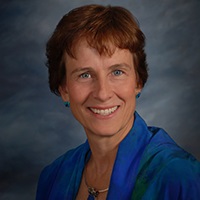 Christina Puchalski: Connecting to Our Call: A Profession of Service and Love [George Washington Institute for Spirituality and Health]
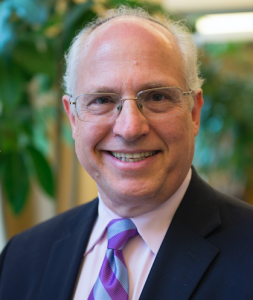 IAMSE is once again pleased to offer the very successful, AMEE-sponsored course: Essential Skills in Medical Education (ESME), led by two distinguished educators: Prof. Ronald Harden, University of Dundee and Prof. Aviad Haramati, Georgetown University. The ESME course requires a separate registration and is held on a full day prior to the IAMSE conference, continues with special discussion sessions during the conference, and concludes with a full afternoon on the final conference day.
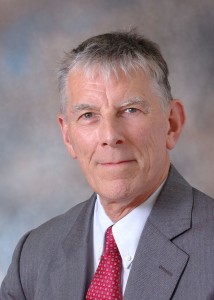 This course explores numerous themes including: learning outcomes and curricular planning, teaching and learning methods, assessment strategies, educational scholarship and the teacher as a leader. The course is ideal for faculty educators who are eager to learn about the principles of health professions education or for seasoned individuals interested in exploring new ideas and trends. Upon completion of the ESME course (with certificate), participants are eligible to enroll in the IAMSE Fellowship program.
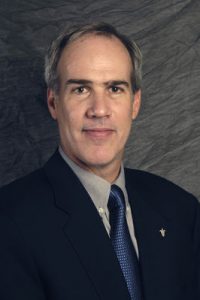 Stuart Slavin: Medical Student Mental Health: Challenges and Opportunities [Saint Louis University School of Medicine]