News

Reminder* Ready to Transform Your Mentoring Skills? Join the IAMSE Global IM-REACH Program!

As a reminder, the International Association of Medical Science Educators (IAMSE) invites you to join an extraordinary journey of growth and connection through our IM-REACH Mentoring Program.

Why IM-REACH?
Whether you’re guiding learners or colleagues through their medical education journey, supporting postdocs in research breakthroughs, or helping faculty navigate career transitions, mentoring is your superpower. The program provides evidence that effective mentorship contributes to meaningful achievements that support career advancement for both mentors and mentees. 

What makes IM-REACH Special?

  • Global Community: Connect with mentors from around the world.
  • Evidence-Based Approach: Discuss proven mentoring strategies.
  • Dual Perspective: Master both sides of the mentoring relationship.
  • Real Impact: Develop a scholarly project that advances your career.

What the Year-Long IM-REACH Adventure includes:

  • Kickoff: 3-hour intensive at IAMSE 2026 Conference (in-person or virtual).
  • Expert Workshops: Bi-monthly sessions based on our acclaimed Mentoring Manual.
  • Personal Support: Bi-monthly office hours for individual guidance.
  • Scholarly Growth: Develop a meaningful project tailored to your goals.
  • Proven Results: Validated assessments track your development.

What Our Alumni Say:
“Participants appreciated the structured curriculum, relevance of content, and the balance of conceptual and practical components. The program fostered reflective practice, build mentoring confidence, and expanded cross-institutional mentoring networks.”

Ready to Elevate Your Impact?
Key Dates:

  • Apply by March 15, 2026
  • Acceptance Notification: April 1, 2026
  • Payment Due: May 1, 2026 ($500 for IAMSE members and $700 for non-members)
  • Start of Program: June 6, 2026 (virtual and in-person) – 1/2 day session.

For questions about the IM-REACH Program or how to apply, please contact support@iamse.org. We thank you for your interest and look forward to supporting you in achieving your professional goals in educational scholarship.

Apply for the 2026 IM-REACH Program

Apply for the New AI in Health Professions Education Course!

Deadline: April 1, 2026

We are excited to announce that the IAMSE Board of Directors has approved the AI in Health Professions Education (AI in HPE) Course, a comprehensive, six-month professional development program that guides health professions educators from foundational AI skillsto real-world implementation at their home institutions. 

Applications are now open for our inaugural cohort of 25 participants, who will begin the program at the IAMSE 2026 Annual Conference in June. 

Course Enrollment Options:

There will be two standalone AI Professional Development Workshops (PDWS) as pre-conference sessions.

  • PDWS 1: AI Foundations & Tool Exploration (3 hours)
  • PDWS 2: Advanced Applications in Health Professions Education (3 hours)

These workshops can be attended individually as standalone sessions. Educators who want targeted AI Skill development can register for either or both through the pre-conference workshop system.

The AI Foundations and Advanced Applications workshops serve as the required in-person foundation for the new comprehensive AI in HPE Course. The full course adds:

  • Workshop 3: Implementation Skills Lab (virtual, 3 hours | October 2026)
  • Mentored Implementation Project (3-6 months with structured support)
  • Office hours and 1-on-1 consultations with course directors and selected faculty
  • AI Community of Growth integration for ongoing peer support

Total course commitment: 30-35 hours.

Limited to 25 participants: Application-based selection.

Application Requirements:

  • 500-word project proposal describing an educational opportunity and proposed AI application.
  • Professional bio highlighting your educational role.
  • Confirmation that you will attend (or have attended*) the prerequisite Workshops 1 & 2.
    * Participants that attended the 2025 inaugural AI in HPE Professional Development Workshops are welcome to apply.

Course Fee: Certificate of Advanced Completion (3 workshops + project): $675 USD.

Application Deadline: Wednesday, April 1, 2026. All successful applicants will be notified by May 1, 2026.

Click here to learn more and apply. For any questions, contact support@iamse.org.

We look forward to building together.

Thank you,
Diego Niño, MD, PhD
Professional Development Committee Chair

Click Here for More information on the AI in Health Professions Education Course
Apply for the AI in Health Professions Education Course!

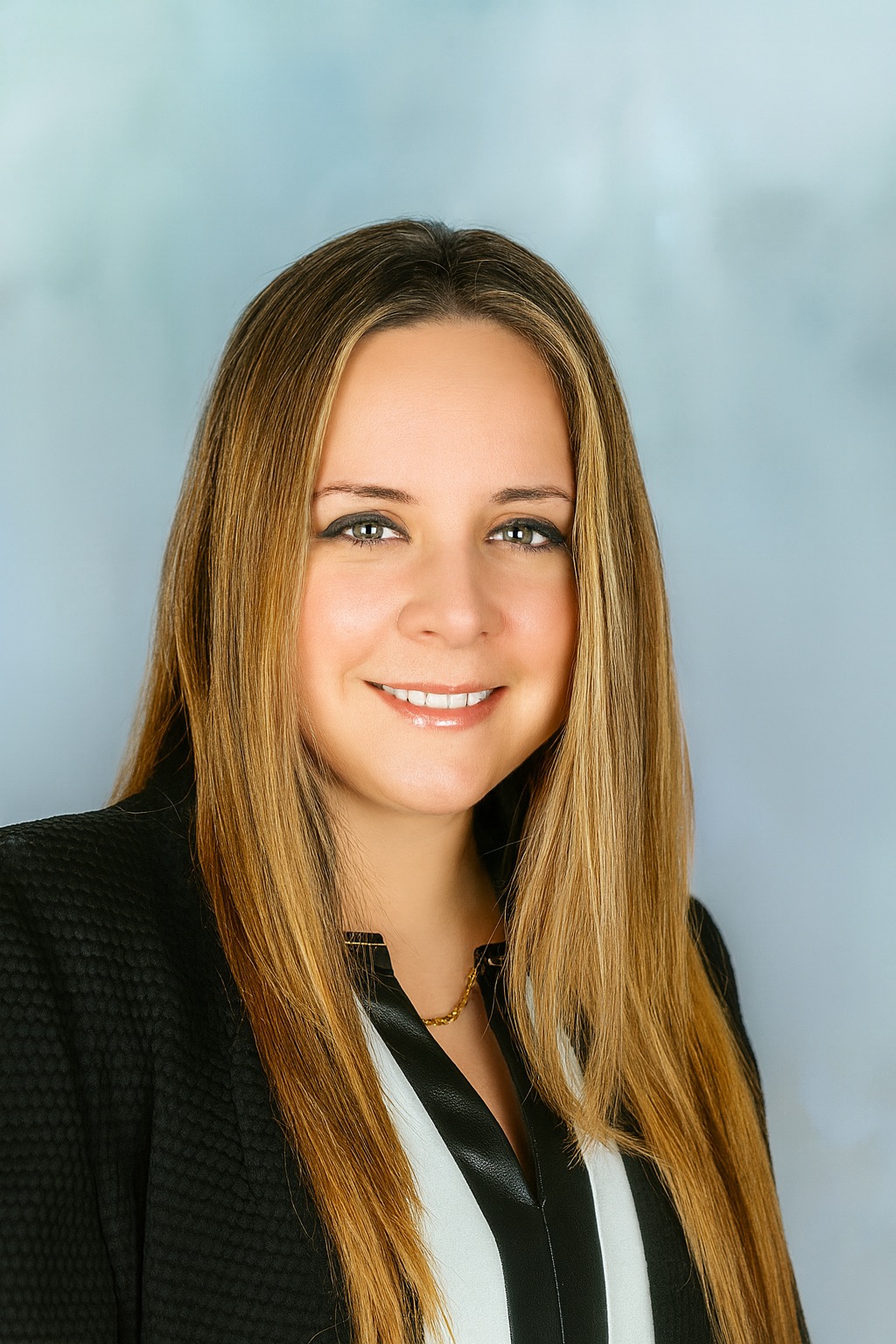
#IAMSE26 Welcomes Kimara Ellefson, of the Kern National Network for Flourishing in Health, as Plenary Speaker

The Annual Conference of the International Association of Medical Science Educators (IAMSE) offers many opportunities for faculty development and networking and brings together medical sciences and health professions education across the continuum. This year’s theme is “Flourishing Through Change: Adaptability, Innovation, and Growth in Health Sciences Education.” Featured plenary speakers include Kimara Ellefson (Kern National Network for Flourishing in Health, United States), Dr. David Rogers (University of Alabama at Birmingham, United States), Dr. Ken Masters (Sultan Qaboos University, Oman), and Dr. Adaira Landry (Harvard Medical School, United States). 

Kimara Ellefson,
National Director of Strategy and Partnerships,
Kern National Network for Flourishing in Health

Leading With Purpose in Turbulent Times:
Reconnecting to What Matters Most

Presented by: Kimara Ellefson, Kern National Network for Flourishing in Health
Date and Time: Sunday, June 7, 2026, 8:30 AM – 9:30 AM EDT

Amid uncertainty and rapid change in health professions education, reconnecting to our core values—and with one another—can be a powerful anchor. Together, we will explore how the interconnected elements of character, caring, and practical wisdom can guide us toward collective flourishing, even in turbulent times. Discover ways of strengthening authentic connection, tapping into communal wisdom, and sparkling systems change through day-to-day practices and small wins. Leave with new perspective and renewed energy for navigating a shifting landscape with hope, clarity, and agency.

For details on all of our plenary speakers, click here.

For more information about speakers, events, and registration, please visit www.iamseconference.org.

We hope to see you in Augusta, Georgia, USA!

IAMSE Offering Professional Development Workshops at #IAMSE26!

Professional Development Workshops: Earn Your Certificate of Attendance in Augusta!

Are you looking for opportunities to develop your professional skills during the IAMSE 2026 Conference in Augusta, Georgia, USA this June? If so, register now for up to two Professional Development Workshops (PDWS)! The PDWS are designed for educators, clinicians, curriculum developers, and academic leaders. In 2025, more than 70 participants took advantage of these workshops. Don’t miss your chance to take part this year!

Solicited by the IAMSE Professional Development Committee on behalf of the Board of Directors, PDWS are IAMSE’s official workshops that award certificates of attendance in designated faculty development focus areas. This year, the PDWS will be offered across four different themes:

  • AI in Health Professions Education
  • Engaging Students with Coaching and Outreach
  • Assessment & Evaluation
  • Methods for Health Sciences Education Research

Participants will receive a Certificate of Workshop Attendance for each workshop completed. Participants who complete two workshops within the same theme will receive a Certificate of Series Attendance listing both workshops and the overarching theme.

All workshops have been updated for 2026, making attendance worthwhile even for those who participated last year. Those who attended one workshop in a theme last year are invited to return this year to complete the second workshop and earn a full Certificate of Series Attendance. 

Click Here to Learn More About Each Workshop!

All PDWS will take place on Saturday, June 6, 2026. Registration for each workshop will be an additional fee of $140.00 USD during registration. Lunch will be provided for all PDWS participants taking two workshops who specify during registration. Already registered? You can still add PDWS to your schedule by modifying your registration. To do so, you may click here.

If you have any questions or would like assistance adding a workshop to your schedule, please contact support@iamse.org

Don’t forget to register before the Early Bird deadline on Wednesday, April 1 to receive a discount on registration costs!

Thank you,
Diego Niño, Professional Development Committee Chair

Register for #IAMSE26 Today!

New Data Snapshot on Anatomy Education in Medical School Curricula

The Association of American Medical Colleges (AAMC) conducts an annual data collection of undergraduate medical education in both the United States and Canada. Each year, the AAMC chooses a few topics and does a deeper dive and anatomy education was a topic that had such treatment, they analyzed and offered this free data snapshot.

What does the future of anatomy for medical students look like? Nearly 98% of medical schools rely on anatomical donors, and most combine this centuries-old teaching approach with modern, clinically relevant technology and imaging tools like CT scans and MRIs. The use of prosection and dissection, opportunities for interprofessional education, and more explored in these latest survey findings.

Click here to read more.

A Medical Science Educator Article Review From Dr. Aditi Kesari

Medical Science Educator

This month, the IAMSE Publications Committee review is taken from the article titled The Academic Medicine and Leadership Track for Medical Studentspublished in Medical Science Educator (13 December 2023) by Kelli Glaser, Matthew McEchron, Clyde Jensen, and David Park.

Medical schools are constantly working to improve and enhance their curricula to ensure that their students become competent physicians. However, today’s physicians also need to be excellent leaders and educators. Unfortunately, not many schools offer enough opportunities within their curricula to develop the skill sets and competencies necessary to become effective leaders and educators. 

In this short communication, the authors have shared an approach to offer training on education and leadership to medical students they adopted at Rocky Vista University by introducing an ‘Academic Medicine and Leadership’ track. This voluntary track has limited seats at their school and includes two semester-long courses. These courses offer training on a wide range of topics, including but not limited to curriculum design, research design, leadership styles, accreditation, strategic planning, budgets, etc. The detailed list has been provided by the authors along with the learning modalities they use for providing this training. Additionally, the authors have expanded on a couple of activities/projects conducted under this track, such as the Young Doctors Program, which has components of service, outreach, and health care education.

Finally, the authors have shared some initial outcome data on this track in terms of student engagement and participation in various activities. The authors also report that the student feedback on certain aspects, such as active learning, etc., has been encouraging. Overall, this approach seems promising for other medical schools interested in adopting a similar track. Additional exploration and investigation in this area may help the wider medical education community successfully integrate leadership and academic medicine into the curricula. 

Aditi Kesari, MBBS, PhD
Assistant Dean, Curriculum Integration
Assistant Professor, Department of Medical Education
College of Medicine
University of Tennessee Health Science Center

#IAMSE26 Registration is NOW OPEN

We are pleased to announce that registration for the 30th Annual Conference of the International Association of Medical Science Educators (IAMSE) is NOW OPEN! The annual conference is to be held June 6-9, 2026 in Augusta, Georgia, USA, at the Augusta Marriott at the Convention Center. At the IAMSE Annual Conference, faculty, staff, and students from around the world who are interested in health science education join together in faculty development and networking opportunities. Sessions on curriculum development, assessment, and simulation are among the common topics available at the conference.

Featured plenary speakers include Kimara Ellefson (Kern National Network for Flourishing in Medicine, United States), Dr. David Rogers (University of Alabama, Birmingham, United States), Dr. Ken Masters (Sultan Qaboos University, Oman), and Dr. Adaira Landry (Harvard Medical School, United States).

Additional meeting details and registration can be found at www.iamseconference.org.

IAMSE Toolkits Available to You!

The IAMSE Toolkits provide the IAMSE Community a set of hands-on tools and applications on a topic that is relevant specifically to health professions educators. The toolkits are presented in a unique, digital format designed to be practical for users at their home institutions.

To view the list of available IAMSE Toolkits, click here.

Please note that all of the listed toolkits at the link above are available to everybody except the “Interprofessional Education” and “Bioethics” toolkits. These are available only to IAMSE members, who are able to access these by logging in using membership credentials.

View the Available IAMSE Toolkits!

IAMSE CoG Meetings – February 2026

IAMSE Communities of Growth (CoGs) are ongoing groups of like-minded individuals who want to informally get together to connect over an area or topic of interest. A Community of Growth is not directly connected to any Committee and is self-organized, and all CoGs are open to all IAMSE members. For more information on IAMSE CoGs, click here.

The AI CoG, Black Medical Educators CoG, and Humanistic Belonging in Medical Education CoG (formerly the LGBTQ+ Community in Health Professions Education CoG) will all be meeting in February! Below are the details for each meeting. Please note that CoG Zoom links, meeting IDs, and passcodes have changed from what they have previously been. The updated links are listed below.

AI CoG

The AI CoG meeting on Zoom will take place at Noon (12 PM) EST on Wednesday, February 4, 2026. IAMSE AI CoG meetings take place regularly at 12 PM ET on the first Wednesday of each month. For information on how to join the AI CoG, email Doug McKell at douglas.mckell@gmail.com.

At the February AI CoG meeting, plans for three principal activities in 2026 will be discussed. This is an effort to get valuable feedback from members on what they want, what they need, and what they are interested in. Drs. Steve Garwood and Joseph Willimans will be leading presentations and are interested in knowing what AI CoG members want to hear about, i.e. topics and issues. Drs. Leah Hammer and Carmel McNicholas-Bevense have been completing the signup process for the previously regular basis during the year to share their AI-supported activities on the topic of the group they chose to join. They will share the program’s specifics and the schedule for getting started. Drs. Mari Hopper and Mark Hernandez have agreed to lead a new offering, the AI Tools Application Workshops, which will be a periodic “hands on” application. They want to hear what areas are of interest to AI CoG members. Please join us for an engaging AI CoG direction-setting discussion. As a member-based group, your voice is important! See you on February 4th!

To join the February AI CoG Zoom meeting, click here.
Meeting ID: 966 6621 1082
Passcode: 361577

Black Medical Educators CoG

The IAMSE Black Medical Educators CoG meeting will take place at 12:30 PM EST Friday, February 6, 2026. IAMSE Black Medical Educators CoG meetings take place quarterly at 12:30 PM ET on the first Friday in May, August, November, and February. If you are interested in learning more about this CoG and/or how to become a member, please contact Jacqueline Powell at jpowell@msm.edu.

To join the November Black Medical Educators CoG Zoom meeting, click here.
Meeting ID: 945 0993 9814
Passcode: 054506

Humanistic Belonging in Medical Education CoG
(formerly LGBTQ+ CoG)

The Humanistic Belonging in Medical Education CoG (formerly the LGBTQ+ CoG) is for health profession educators interested in fostering learning environments where all learners, educators, and clinicians experience respect, dignity, and a sense of belonging. This community advances humanistic educational practices that support identity, professional formation, and wellbeing, including education related to SOGIE (Sexual Orientation, Gender Identity, and Expression), across the continuum of medical education.

Designed as an open and innovative gathering place, this CoG welcomes a wide range of perspectives and encourages thoughtful dialogue in pursuit of academic excellence. Programming emphasizes engagement and education for faculty, staff, and learners, including discussions and training opportunities focused on humanistic patient care, and on how lived experience and identity shape learning environments and professional growth.

As health professions educators, we recognize that cultivating belonging requires ongoing reflection and intentional efforts to strengthen educational cultures. Through shared learning and community-building, this CoG promotes educational practices that help learners feel acknowledged, supported, and able to thrive.

The Humanistic Belonging in Medical Education CoG meeting will take place on Zoom at 12:00 PM EST on Thursday, February 12, 2026. The next Humanistic Belonging in Medical Education CoG meeting will be in May. For more information on this CoG, contact Cory Gerwe at gerwecd@odu.edu.

To join the February Humanistic Belonging in Medical Education CoG meeting, click here.
Meeting ID: 953 6376 6152
Passcode: 010159

A Medical Science Educator Article Review From Dr. Yuriy Slyvka

Medical Science Educator

This month, the IAMSE Publications Committee review is taken from the article titled Leveraging AI to Democratize the Hidden Curriculum in Medical Education: An Implementation Frameworkpublished in Medical Science Educator (6 September 2025) by James Keith Martin II and Mercedes Byrd.

Recently, the Medical Science Educator published, under its Innovation section, a paper discussing the potential use of AI to address inequities in medical education. The paper emphasized the hidden curriculum—the unspoken rules, values, and expectations that affect student success in medical school but often remain invisible to first-generation, low-income, and underrepresented minority students. This somewhat unconventional application of AI has great potential to support students who otherwise must learn these rules through trial and error, thereby leveling access to critical professional knowledge.

In this paper, the authors propose a groundbreaking approach that uses AI as a tool for equity and inclusion in medical education. They emphasize AI’s potential to democratize access to professional knowledge that has traditionally been available to those with insider connections. These inequities can create disadvantages for students from underrepresented backgrounds, and the authors propose a framework for using AI interventions to target key areas of inequity. The article outlines how AI-driven solutions can help to normalize terminology, professional norms, and curriculum planning by applying both Fast/Slow Thinking paradigm and Cognitive Load Theory. By using AI to make implicit knowledge explicit, the authors show how these cognitive disparities can be reduced.

The proposed implementation framework describes how artificial intelligence platforms—such as ChatGPT, Claude, Copilot, and Google’s NotebookLM—can be integrated to support learners and trainees across multiple domains. These tools can provide fast-thinking support by offering real-time guidance on professional etiquette, clinical hierarchy, and academic decision-making. In parallel, they can facilitate slow-thinking processes through structured planning tools that assist with study strategies, research engagement, and long-term residency preparation. Importantly, AI platforms can enhance mentorship by offering continuous, 24/7 virtual guidance that complements, rather than replaces, traditional human mentorship. The framework also emphasizes equitable integration, with careful attention to data privacy, bias mitigation, and alignment with existing curricular standards to ensure responsible and inclusive use. The paper also discusses key challenges—ethical oversight, balancing human and AI roles, and trust-building—and stresses that AI should serve as a bridge, not a barrier, to mentorship and inclusion.

One limitation of the paper is the lack of student feedback on how these AI systems perform in practice and the absence of data showing how implementation impacts student performance. As more institutions adopt these frameworks, additional data can be gathered to evaluate their effects on student outcomes.

Conclusion: By embedding AI-driven guidance directly into existing learning systems, medical schools can transform the hidden curriculum from privilege to shared knowledge—helping every student, regardless of background, navigate medical education with confidence. This approach represents a promising step toward enhancing mentorship and academic advising through equitable AI integration.

Yuriy Slyvka, MD, PhD
Professor of Instruction
Department of Biomedical Sciences
Ohio University, Heritage College of Osteopathic Medicine
Athens, Ohio, USA

Lomis to Conclude IAMSE Winter 2026 Webcast Audio Seminar Series for Week 5!

Real World AI Use: Guardrails, Responsible Use, and Competencies

By Kimberly Lomis, MD

We are excited to welcome Dr. Kimberly Lomis, Vice President, Medical Education Innovations, American Medical Association, who will present Real World AI Use: Guardrails, Responsible Use, and Competencies. The session will take place on Thursday, February 5, 2026, at 12:00 PM EST, for the fifth and final week of the IAMSE 2026 Winter Webcast Audio Seminar Series titled “From Hype to Reality: AI’s Rapid Transformation of Health-Sciences Professions Education.”

Don’t miss this exciting opportunity to examine evidence-based applications, assessment of knowledge/skills, human factors in AI adoption, autonomous AI agents for teaching and administration, and policy and competency frameworks for faculty and students. The IAMSE 2026 Winter Webcast Audio Seminar Series presentations will focus on practical examples, emerging risks, and actionable strategies faculty can use now to design learning, assessment, and support systems to prepare students for a learning and practice environment transformed by AI. The series is intended for basic-science and clinical educators seeking forward-looking, implementable guidance. 

Learn More About the Winter 2026 Series

The full IAMSE Winter WAS schedule can be found on the website.

Below we look at the fifth week’s presentation:

Kimberly Lomis, MD

Real World AI Use: Guardrails, Responsible Use, and Competencies

Presenter: Kimberly Lomis, MD, Vice President, Medical Education Innovations, American Medical Associaton
Session Date & Time: February 5, 2026, at 12:00 PM EST
Session Description: Artificial intelligence (AI) is disrupting the practices of health care delivery and health professions education. Successful incorporation of AI for the benefit of patients and communities requires health professionals trained to adeptly and critically apply AI tools. This necessitates a shift in some elements of professional identity and will force transformation of health professions education. It is essential that educators are informed about the promise and perils of AI to actively guide responsible use of these tools by and for learners facing a rapidly evolving practice environment. 

Register Today!
IAMSE 2026 Winter WAS FAQ

As always, IAMSE Student Members can register for the series for FREE!

If you are an IAMSE student member, please contact support@iamse.org for information about registering at no cost.

Landers to Continue IAMSE Winter 2026 Webcast Audio Seminar Series for Week 4!

Automated Tools to Autonomous Agents: Affordances and Limitations
to AI for Learning

By Richard Landers, PhD

We are excited to welcome Dr. Richard Landers, John P. Campbell Distinguished Professor of Industrial and Organizational Psychology at the University of Minnesota – Twin Cities, who will present Automated Tools to Autonomous Agents: Affordances and Limitations to AI for Learning. The session will take place on Thursday, January 29, 2026, at 12:00 PM EST, for the fourth week of the IAMSE 2026 Winter Webcast Audio Seminar Series titled “From Hype to Reality: AI’s Rapid Transformation of Health-Sciences Professions Education.”

Don’t miss this exciting opportunity to examine evidence-based applications, assessment of knowledge/skills, human factors in AI adoption, autonomous AI agents for teaching and administration, and policy and competency frameworks for faculty and students. The IAMSE 2026 Winter Webcast Audio Seminar Series presentations will focus on practical examples, emerging risks, and actionable strategies faculty can use now to design learning, assessment, and support systems to prepare students for a learning and practice environment transformed by AI. The series is intended for basic-science and clinical educators seeking forward-looking, implementable guidance. 

Learn More About the Winter 2026 Series

The full IAMSE Winter WAS schedule can be found on the website.

Below we look at the fourth week’s presentation:

Richard Landers, PhD

Automated Tools to Autonomous Agents: Affordances and Limitations
to AI for Learning

Presenter: Richard Landers, John P. Campbell Distinguished Professor of Industrial and Organizational Psychology, University of Minnesota – Twin Cities
Session Date & Time: January 29, 2026, at 12:00 PM EST
Session Description: Artificial intelligence is rapidly transforming education, both for good and for not-so-good. The advances ae now coming so quickly that it can be difficult to tell the difference. In this presentation, we’ll explore the alignment of the affordances that AI can currently provide with the goals, purpose, and processes of education, focusing on four key use cases: learning content generation and support including clinical simulation, automated student feedback and assessment, agentic instruction and tutoring, and agentic personal development. We’ll also explore what specific steps you can take to begin using AI tools effectively within each domain, as well as a projection of how these applications are likely to evolve in the coming years. 

Register Today!
IAMSE 2026 Winter WAS FAQ

As always, IAMSE Student Members can register for the series for FREE!

If you are an IAMSE student member, please contact support@iamse.org for information about registering at no cost.