Learning objectives
- Recognize that stigmatizing language in clinical documentation and oral presentations can propagate bias from one clinician to another, deleteriously influencing diagnostic and treatment decisions
- Identify stigmatizing language within a sample written clinical vignette
- Revise a written vignette to use person-first, antioppressive language
Documentation and oral presentation serve several critical functions within a clinical team. Depending on how patients are described, including historically stigmatized descriptors, clinicians may perpetuate the codification of racial disparities in service delivery, teaching trainees racist ideas and communicating biases to other clinicians. Current research has shown that documentation has the power to influence diagnostic and treatment decisions independent of other factors. In this session, participants will recognize that stigmatizing language in clinical documentation and oral presentations can propagate bias from one clinician to another, deleteriously influencing diagnostic and treatment decisions. And, participants will reflect on anti-racist documentation practices using sample vignettes and case examples.
Presenter Bios
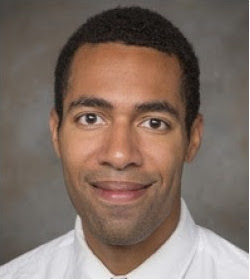 Dr. Williams is a former Washington, DC Public School Teacher, where he taught middle school science and completed a master’s degree in the Arts of Teaching at American University. Dr. Williams is currently a Child & Adolescent Psychiatrist and Assistant Professor in the Department of Psychiatry at Medstar-Georgetown University Hospital. His clinical work focuses on school-based mental health, and he provides direct mental health support to schools as a part of the MedStar-WISE (Wellness In School Environments) program. He is the Director of Mental Health Services Innovation for the Early Childhood Innovation Network (ECIN), a research, practice, and policy consortium focused on advancing early childhood development in Washington, DC. He is also a Co-Director of Recruitment, Retention and Workplace Climate at Medstar-Georgetown Department of Psychiatry.
Dr. Melissa Chen is the Clinical Director and faculty leader for the Interprofessional Community Clinic, RFU’s student-led pro bono clinic. She is an internist keenly interested in upstream health care and illuminating the social and structural determinants and disparities that fundamentally affect patient health. She is creating and directing the incorporation of health equity content into the CMS longitudinal curriculum.
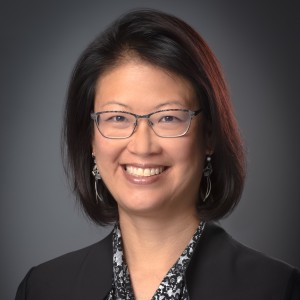 Dr. Chen is certified in internal medicine by the American Board of Internal Medicine. She completed her residency at the University of Washington, medical degree from Vanderbilt, and undergraduate degree from Harvard. Professional experience includes hospitalist work in Seattle and 10 years of experience as a clinician for the underserved at HealthReach, Lake County’s only free clinic for a time. RFU honors include the Laurence Medoff Award for outstanding teaching and clinical practice, CMS Champion Award, AOA Volunteer Clinical Faculty Award, M2 Champion of Change, and Outstanding Online Elective Professor.