The imperative to reduce and redistribute the basic sciences curriculum in undergraduate medical education is fraught with challenges. Schools engage in reduction of their basic sciences curriculum for different reasons, but in all instances schools must confront the question of whether students are adequately prepared for their new curriculum and whether they are adequately prepared for what follows. We will explore the challenges and opportunities of student preparation for USMLE Step 1, clerkships, and lifelong learning in reduced basic sciences curricula and present practical examples of approaches to identifying opportunities to support students from the moment they enter the preclerkship curriculum.
Presenter Bios
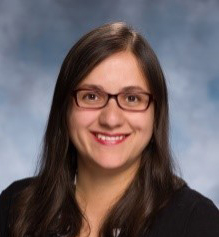 Dr. Malvika Kaul is an Assistant Professor of Pharmacology and the Preclerkship Course and Block Director at Rutgers Robert Wood Johnson Medical School. She earned her PhD in Molecular Genetics and Microbiology from Rutgers University and received an NIH Research Fellowship for her postdoctoral training at the University of Medicine and Dentistry of New Jersey (UMDNJ). With a deep commitment to education, Dr. Kaul is passionate about designing student-centered curricular strategies that empower students to build a strong scientific foundation, which serves as the cornerstone of medical practice.
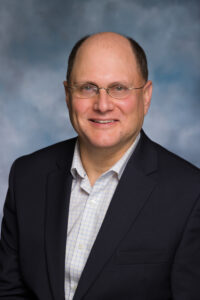
Robert Lebeau is Associate Dean, Preclerkship Curriculum at Rutgers Robert Wood Johnson Medical School (RWJMS). He has over 20 years of experience working with medical students and faculty through his work in the Cognitive Skills Program and the Office for Advancing Learning, Teaching and Assessment at RWJMS. He obtained his EdD in Learning, Cognition and Development from the Rutgers University Graduate School of Education followed by postdoctoral training at Educational Testing Service. His research interests are in self-regulated learning, distributed cognition, and learning progressions.