In this session, the presenters will discuss why it is important to understand how basic science and professional identity development are connected. They will present findings from their recently published critical scoping review on how basic science education contributes to professional identity development. They will also share examples of how the publication’s findings have informed changes in teaching at their institutions.
Presenter Bios
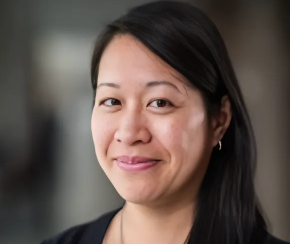 Dr. Candace Chow is Director of Education Research and an Associate Professor in Internal Medicine at the Spencer Fox Eccles School of Medicine at the University of Utah. Her research examines how physicians understand their social identities within a context of privilege and oppression, and how these self-perceptions influence the formation of professional identities and interactions with patients.
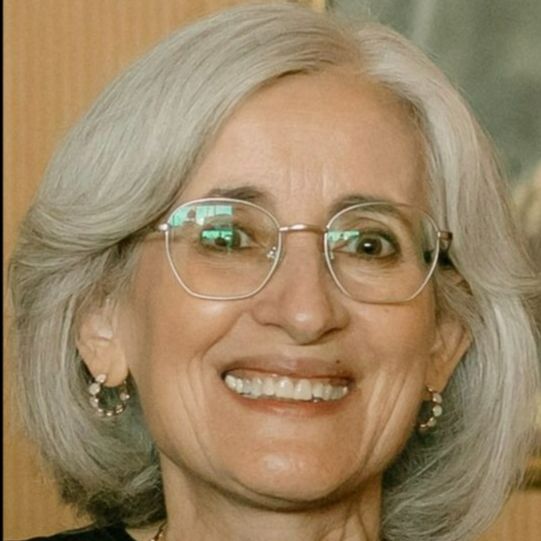 Dr. Emine Ercikan Abali is a distinguished medical educator and researcher with a Ph.D. in Pharmacology from Weill Cornell Graduate School of Medical Sciences and Memorial Sloan Kettering Cancer Center. As the Assistant Dean for the Basic Science Curriculum at the CUNY School of Medicine, she led curricular changes in pre-clinical education, emphasizing integrative and active learning strategies. Her expertise spans curriculum development, teaching, and mentorship, focusing on innovative pedagogical approaches and fostering collaboration in medical education.
Dr. Abali has held academic appointments at Rutgers Robert Wood Johnson Medical School and has contributed significantly to biochemistry and pharmacology research. She is the Editor-in-Chief of IAMSE Manuals, serves on the Editorial Board for MedEdPORTAL, and is a prolific author of two books and numerous peer-reviewed articles. Her scholarly focus bridges foundational science and clinical relevance to enhance medical education.
As an advocate for professional development, Dr. Abali has served on multiple committees, including the Professional Development Committee of the Association of Biochemistry Educators. She has received numerous awards, including the NJ Health Foundation Excellence in Teaching Award and a Fulbright Scholarship. Her mentorship and leadership continue to inspire students and educators alike.